



Liability Insurance :: News
SHARE

Share this news item!

Mouse Activity Is a Timely Prompt to Check Farm Risk

Pest pressure can affect crops, stored grain, machinery and cash flow

Mouse Activity Is a Timely Prompt to Check Farm Risk?w=400

The information on this website is general in nature and does not take into account your objectives, financial situation, or needs. Consider seeking personal advice from a licensed adviser before acting on any information.

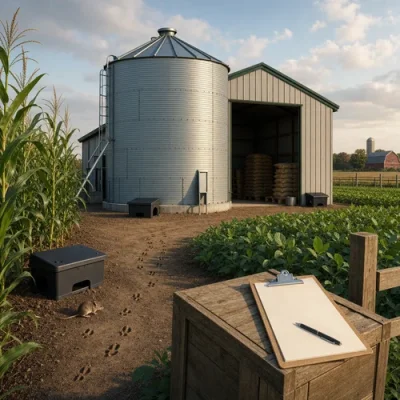
Recent rural reporting has pointed to renewed mouse activity across parts of the grain belt, with growers being urged to monitor paddocks, sheds and stored grain as seasonal conditions become more favourable for breeding.
For many producers, the immediate concern is practical: protecting emerging crops, keeping grain storage secure and acting early before damage becomes expensive or difficult to contain.

This is an extension of earlier seasonal optimism rather than a contradiction of it. Better moisture can lift yield prospects and pasture confidence, but it can also create conditions that suit pests. Mouse pressure can build quickly when feed is available, paddock cover is strong and temperatures support rapid population growth. The lesson for farm businesses is that a good season still needs active risk management.

The insurance angle is not always straightforward. Standard farm insurance policies may respond to some forms of physical damage, but pest-related losses, gradual deterioration, contamination and crop losses can be limited or excluded depending on the wording. Stored grain, hay, machinery wiring, irrigation infrastructure and sheds may all have different treatment under a policy. That makes it important to review not just whether cover exists, but how the event would need to occur for a claim to be considered.

Producers should also think about values. Grain prices, machinery replacement costs, shed contents and chemical or baiting expenses can change materially through a season. If stock, produce or equipment values have moved since renewal, declared limits may no longer match the real exposure. Reviewing replacement values and sums insured can help identify whether a policy is keeping pace with the business, particularly where grain storage volumes or machinery fleets have expanded.

Practical preparation remains the first line of defence. That includes regular monitoring, keeping records of baiting and hygiene measures, photographing damage, checking storage seals, reducing spilt grain and documenting any advice from agronomists or pest control providers. These records may help with operational decisions and can also support clearer discussions with insurers if a loss occurs.

The broader message is that pest outbreaks are whole-farm risk events. They can affect yield, quality, storage, machinery reliability, worker safety and cash flow at the same time. Before activity escalates, farmers should read relevant exclusions, check excesses and sub-limits, and ask how their current farm insurance coverage would respond to different mouse-related scenarios. A short review now may prevent a much more costly surprise later in the season.

Published:Tuesday, 1st Sep 2026
Author: Paige Estritori

Please Note: We do not endorse any specific products or companies. Some content is sourced from third parties, including press releases, and may not be independently verified for accuracy or completeness.

Share this news item:

Rate this article

0 Comments

No comments yet. Be the first to share your thoughts.

Insurance News

What the New NSW Disclosure Rules Mean for Strata Cover
09 Sep 2026: Paige Estritori
The latest phase of New South Wales strata reform has brought strata insurance disclosure back into practical focus, moving the issue from policy debate to renewal-season reality for owners corporations. The changes are designed to make it clearer when a strata managing agent, broker, insurer or related party receives a commission, fee or other financial benefit connected with arranging insurance. - read more
What a Steadier Life Insurance Market Means for Employers
09 Sep 2026: Paige Estritori
Fresh life insurance performance data from APRA points to a market that is steadier than the disrupted conditions seen in recent years, but not one where employers can afford to be passive. For CFOs, HR leaders and directors, the message is less about a single quarterly result and more about the operating environment behind corporate life insurance pricing, claims service and product design. - read more
Why NSW Levy Reform Matters for Trade Businesses
09 Sep 2026: Paige Estritori
A fresh push to reform how NSW funds emergency services has put insurance affordability back in the spotlight, especially for small businesses that already feel every increase at renewal time. The issue centres on the Emergency Services Levy, which is applied through many insurance policies and has long been criticised by parts of the insurance sector as a disincentive to maintaining adequate cover. - read more
New APRA rules put insurer systems under the spotlight
09 Sep 2026: Paige Estritori
Australia’s tougher operational risk regime is sharpening the focus on how life insurers manage the systems, partners and processes that sit behind every policy. APRA’s CPS 230 standard requires regulated insurers to identify critical operations, set clear disruption tolerances and strengthen oversight of material service providers. For customers, this is not just a back-office compliance story. - read more


Business Insurance Articles

Certificate of Currency for Liability Insurance: What It Shows and When It May Be Needed
A certificate of currency is commonly requested as proof that an Australian business holds current liability insurance. Here's what it usually shows, what it does not prove, and when contractors, trades and small businesses may be asked to provide one. - read more
How to Lower Public Liability Insurance Premiums Without Sacrificing Coverage
Public liability insurance can help protect a business if a member of the public alleges injury or property damage connected with its operations. Premiums are only one part of the decision: cover limits, exclusions, excesses, risk management and claims support all matter. This guide explains practical ways Australian businesses can review their public liability insurance costs without simply stripping out important protection. - read more
Critical Risk Management Strategies for Every Australian Tradesman
Welcome to the crucial world of risk management for Australian tradesmen. Whether you're a seasoned professional or just starting, understanding and mitigating the inherent risks in the trades industry is paramount to both the safety and sustainability of your business. This article intends to guide you through the world of risk management, emphasizing the pivotal role of liability insurance. - read more
Public Liability Insurance Cost: Is It Worth It for Australian Businesses?
Public liability insurance is designed to help protect a business from the financial impact of third-party injury or property damage claims connected with its business activities. The cost varies by industry, risk profile and cover needs, so the value of a policy depends on how exposed your business is to the public, clients, contractors and property risks. - read more


Start Here !
Start here!
Cover Amount:
Postcode:

All quotes are provided obligation-free by a participating broker from our national referral partner network. We respect your Privacy.


Knowledgebase
Peril:
A specific risk or cause of loss covered by an insurance policy, such as fire, theft, or flood.