



Liability Insurance :: News
SHARE

Share this news item!

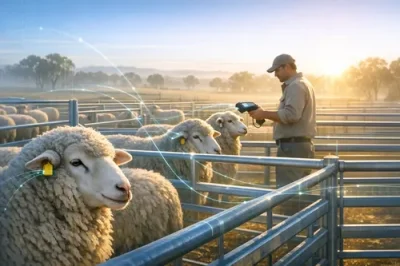
Electronic Livestock Tags Put Farm Records Under the Spotlight

Traceability reforms are a practical reminder to check stock values, claims evidence and biosecurity plans

Electronic Livestock Tags Put Farm Records Under the Spotlight?w=400

The information on this website is general in nature and does not take into account your objectives, financial situation, or needs. Consider seeking personal advice from a licensed adviser before acting on any information.

Australia’s sheep and goat electronic identification rollout is moving from policy discussion into everyday farm management, and its insurance implications should not be overlooked.
Recent rural reporting has highlighted the practical work now facing producers, agents, processors and saleyards as the industry shifts towards stronger individual animal traceability.

For many farm businesses, eID is being treated as a compliance and biosecurity issue. That is understandable. Faster tracing can help authorities respond more effectively to disease threats, stock movements and market-access concerns. But for insurance planning, the same systems can also strengthen the quality of records behind livestock values, ownership, movements and losses.

That matters because livestock claims are often evidence-heavy. After theft, fire, flood, dog attack, transport loss or other insured events, a producer may need to show what stock was on hand, where it was located, how it was identified and what it was worth. Paper records, memory and broad paddock estimates can leave gaps, particularly where mobs are split across multiple blocks or agistment properties.

Electronic tagging will not remove the need for sound management records, nor will it automatically broaden policy wording. However, it may make it easier for producers to reconcile stock numbers, demonstrate movement history and support a claim file. The real benefit comes when eID data is kept consistently and matched with sale documents, breeding records, veterinary notes and on-farm inventories.

Producers should use the rollout as a prompt to review three areas:

  • Whether insured livestock values reflect current market prices, breeding quality and seasonal stocking decisions.
  • How quickly stock records could be produced after a loss, especially during a regional emergency.
  • Whether policy exclusions, disease conditions, transit limits and theft requirements are clearly understood.

There is also a cost-management angle. Tags, readers, software, training and data administration can become part of the operating environment for sheep and goat enterprises. Where technology is mounted in yards, sheds, vehicles or handling systems, it may need to be considered alongside machinery, plant or contents cover.

As with any change in farm operations, the insurance review should be practical rather than rushed. Producers can estimate the replacement value of key assets, then speak with an adviser or broker about how livestock, equipment, liability and business interruption exposures fit together. The eID transition is primarily about traceability, but it is also a timely reminder that accurate records are one of the strongest tools a farm business has when it needs cover to respond.

Published:Wednesday, 2nd Sep 2026
Author: Paige Estritori

Please Note: We do not endorse any specific products or companies. Some content is sourced from third parties, including press releases, and may not be independently verified for accuracy or completeness.

Share this news item:

Rate this article

0 Comments

No comments yet. Be the first to share your thoughts.

Insurance News

What the New NSW Disclosure Rules Mean for Strata Cover
09 Sep 2026: Paige Estritori
The latest phase of New South Wales strata reform has brought strata insurance disclosure back into practical focus, moving the issue from policy debate to renewal-season reality for owners corporations. The changes are designed to make it clearer when a strata managing agent, broker, insurer or related party receives a commission, fee or other financial benefit connected with arranging insurance. - read more
What a Steadier Life Insurance Market Means for Employers
09 Sep 2026: Paige Estritori
Fresh life insurance performance data from APRA points to a market that is steadier than the disrupted conditions seen in recent years, but not one where employers can afford to be passive. For CFOs, HR leaders and directors, the message is less about a single quarterly result and more about the operating environment behind corporate life insurance pricing, claims service and product design. - read more
Why NSW Levy Reform Matters for Trade Businesses
09 Sep 2026: Paige Estritori
A fresh push to reform how NSW funds emergency services has put insurance affordability back in the spotlight, especially for small businesses that already feel every increase at renewal time. The issue centres on the Emergency Services Levy, which is applied through many insurance policies and has long been criticised by parts of the insurance sector as a disincentive to maintaining adequate cover. - read more
New APRA rules put insurer systems under the spotlight
09 Sep 2026: Paige Estritori
Australia’s tougher operational risk regime is sharpening the focus on how life insurers manage the systems, partners and processes that sit behind every policy. APRA’s CPS 230 standard requires regulated insurers to identify critical operations, set clear disruption tolerances and strengthen oversight of material service providers. For customers, this is not just a back-office compliance story. - read more


Business Insurance Articles

Professional Indemnity Insurance in Australia: What It Covers and How It Works
Professional indemnity insurance can help protect Australian professionals and service businesses against claims arising from alleged errors, omissions, negligence or breaches of professional duty. This guide explains what it may cover, how claims-made policies work and what to check before arranging cover. - read more
Liability Risks for Small Businesses in Australia
Small businesses can face liability claims from customers, clients, employees, products, advice, services and day-to-day operations. This guide explains common liability risks in Australia, how insurance can form part of a risk management strategy, and practical steps that may help business owners assess, document and manage those risks. - read more
Environmental Liability for Australian Businesses: Risks, Laws and Insurance Considerations
Environmental liability can affect how Australian businesses plan projects, manage operations, train staff and arrange insurance. This guide explains the main types of environmental liability, the regulatory issues businesses may need to consider, and practical ways to manage environmental risks without treating insurance as a substitute for compliance. - read more
Public Liability Insurance Claims: What to Expect and How to Prepare
Public liability insurance can help protect a business when a third party alleges they were injured or their property was damaged because of the business's activities. If an incident occurs, knowing what to document, when to contact your insurer and how to communicate with others involved can make the claims process easier to manage. - read more


Start Here !
Start here!
Cover Amount:
Postcode:

All quotes are provided obligation-free by a participating broker from our national referral partner network. We respect your Privacy.


Knowledgebase
Term Life Insurance:
A form of life insurance that is a pure protection policy with no cash or maturity value which lasts for a specific length of time, called a term.