

Liability Insurance :: News
SHARE

Share this news item!

Rising Insurance Costs Amidst Climate Change: What Homeowners Need to Know

Understanding the Impact of Climate Change on Home Insurance Premiums

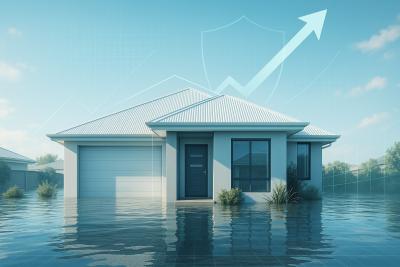
Rising Insurance Costs Amidst Climate Change: What Homeowners Need to Know?w=400

The information on this website is general in nature and does not take into account your objectives, financial situation, or needs. Consider seeking personal advice from a licensed adviser before acting on any information.

Australian homeowners are experiencing significant increases in home insurance premiums, largely due to the escalating risks associated with climate change.
Recent analyses reveal a national average premium hike of 14%, translating to an additional $343 annually for policyholders.
This trend underscores the growing financial burden on homeowners as extreme weather events become more frequent and severe.

In New South Wales, residents have been particularly affected, with premiums rising by 18% year-on-year, bringing the average annual cost to $2,613. The Northern Territory has seen even steeper increases, with premiums climbing 17% to an average of $4,814 per year, making it the most expensive region for home and contents insurance in the country. These figures highlight the disproportionate impact on areas more susceptible to climate-related disasters.

Several factors contribute to these rising costs. The Insurance Council of Australia (ICA) reports that severe weather events in the first half of 2025 alone, including ex-Tropical Cyclone Alfred, led to $1.8 billion in insurance claims. Such events not only result in immediate financial losses but also prompt insurers to reassess risk profiles, leading to higher premiums across the board.

Moreover, the increasing frequency and intensity of natural disasters have led to a reassessment of property values in high-risk areas. A federal assessment warns that climate change could erase up to $571 billion from Australia's property market by 2030, with losses projected to reach $770 billion by 2100 under a worst-case scenario. This devaluation further complicates the insurance landscape, as properties in vulnerable regions become less attractive to insurers.

For real estate professionals, these developments have significant implications. The rising cost of insurance can deter potential buyers, particularly in regions prone to natural disasters. Additionally, properties in high-risk areas may face challenges in securing adequate insurance coverage, potentially affecting their marketability and value.

To mitigate these challenges, it's crucial for real estate agents and property managers to stay informed about the evolving insurance landscape. Understanding the specific risks associated with different regions and properties can aid in providing accurate information to clients. Additionally, advocating for and implementing resilience measures, such as flood defenses and fire-resistant building materials, can help reduce risk profiles and potentially lower insurance costs.

In conclusion, the intersection of climate change and the real estate market presents complex challenges. By staying informed and proactive, real estate professionals can navigate this evolving landscape, ensuring they provide the best possible service to their clients while addressing the broader implications of climate change on property and insurance markets.

Published:Saturday, 6th Dec 2025
Source: Paige Estritori

Please Note: If this information affects you, seek advice from a licensed professional.

Share this news item:

Insurance News

Rising Insurance Costs Amidst Climate Change: What Homeowners Need to Know
06 Dec 2025: Paige Estritori
Australian homeowners are experiencing significant increases in home insurance premiums, largely due to the escalating risks associated with climate change. Recent analyses reveal a national average premium hike of 14%, translating to an additional $343 annually for policyholders. This trend underscores the growing financial burden on homeowners as extreme weather events become more frequent and severe. - read more
Competitive Market Dynamics Drive Down Construction Insurance Costs
06 Dec 2025: Paige Estritori
The Australian construction insurance market has entered a notably softer phase in 2025, characterized by a significant reduction in premiums across various lines. This shift is primarily attributed to increased competition among insurers, offering clients more options and driving down costs. - read more
Why Perth Hospitality Businesses Should Reassess Their Insurance Coverage
06 Dec 2025: Paige Estritori
Perth's hospitality industry is currently navigating a challenging landscape marked by escalating operational costs and evolving risks. In response, industry experts are advocating for a thorough reassessment of insurance policies to ensure businesses are adequately protected. - read more
Fine Food Australia and R&CA Announce Strategic Partnership to Strengthen Hospitality Sector
06 Dec 2025: Paige Estritori
In a significant move to support Australia's hospitality industry, Fine Food Australia has announced a partnership with the Restaurant & Catering Industry Association of Australia (R&CA). This collaboration aims to provide a unified platform for industry professionals to network, share insights, and advocate for the sector's interests. - read more


Business Insurance Articles

Critical Risk Management Strategies for Every Australian Tradesman
Welcome to the crucial world of risk management for Australian tradesmen. Whether you're a seasoned professional or just starting, understanding and mitigating the inherent risks in the trades industry is paramount to both the safety and sustainability of your business. This article intends to guide you through the world of risk management, emphasizing the pivotal role of liability insurance. - read more
The Cost of Public Liability Coverage: Is It Worth It?
Public liability insurance is a crucial safety net for both businesses and individuals, providing protection against the financial fallout from claims of injury or damage that your business operations might cause to third parties. This type of insurance is designed to cover legal and compensation costs, safeguarding you from unexpected financial burdens. - read more
Understanding Product Liability Insurance in Australia: A Business Owner's Guide
As a business owner in Australia, navigating the complexities of protecting your company is crucial, with product liability insurance being an essential aspect to consider. This type of insurance is designed to shield businesses from financial losses that may arise if a product they manufacture, supply, or sell causes harm to a consumer or damages property. - read more
Liability Risks: What Small Businesses in Australia Should Know
Welcome to our comprehensive guide on liability risks for small businesses in Australia. The world of business is fraught with challenges, and one often overlooked aspect is the array of potential liabilities that can stifle growth or even lead to catastrophic financial loss. It's crucial for small business owners to grasp the critical role that insurance plays in the protection and longevity of their ventures. - read more


Start Here !
Your free liability insurance quote comparison starts here!
Cover Amount:
Postcode:

All quotes are provided free and without obligation by a specialist from our national broker referral panel. See our privacy statement for more details.


Knowledgebase
Insurance broker:
An agent acting on behalf of the insured (not the insurance company) who negotiates the terms and cover provided by the insurer in the insurance policy.